This post is sponsored by the Brick Industry Association but all views are my own. To learn more, please read here.
I’ve been thinking a lot lately about why I’m drawn to a brick house. The undeniable fact that I loved the Commodores from a very early age aside, a brick house is indeed “mighty mighty,” “stacked and that’s a fact” and “well put-together, everybody knows; This is how the story goes.”
When I really lean in on the “why” though… why does a brick house feel mighty, stacked and well-put together, it comes down to a few reasons but they all stem from one simple, common theme: Nostalgia. There is something nostalgic and comforting about a brick home, particularly presented in an old favorite movie as another character in the plot, like in Home Alone, for example… A character of strength who is a protector, who offers safety and will steadfastly withstand time and generations.

Immediately under the umbrella of why brick feels nostalgic, are the benefits of a brick home. If we dive into why something feels nostalgic, it’s because there is familiarity and warmth. Benefits of a brick house like energy efficiency, low maintenance and durability all reflect the feeling and the notion of a home being a consistent safe-haven, the place we run to.
Energy Efficiency
Clay brick is naturally energy efficient. This means brick can help keep your home cooler in the summer and warmer in the winter, which also helps to reduce energy bills. Clay brick also improves energy efficiency up to fifty percent more than fiber cement, vinyl, and synthetic stucco. The bonus to being energy efficient is you can also be more environmentally-friendly. If you’ve been here for any amount of time, you know I choose sustainability options when decorating, renovating and maintaining our home when possible. Helping to reduce waste and buying something once, or as infrequently as possible, is important to me from an environmental perspective, but also a financial one. Because brick is sourced from Earth’s natural materials, is 100% recyclable, and can be repurposed for use in home DIY projects, renovations, new builds, or even mulched for landscaping, brick is a sustainability slam dunk.
Low Maintenance
Another benefit to building and renovating with brick is it requires virtually no maintenance. Brick is meant to stand the test of time for generations to come without hefty maintenance, ongoing upkeep or replacement costs from unfortunate situations like termites, that can happen to other clad homes. Homeowners spend their nights, weekends and vacation time working hard on repairs, replacements and upkeep to maintain the curb appeal and overall value of their homes. When we work with brick, we can gain back some of this valuable time and reduce maintenance costs at the same time.
Durability
There’s a reason brick buildings are still standing centuries later. With an average lifespan of 100 years, brick stands alone and the competition is pale by comparison. For centuries we have built with brick for incredibly powerful protection against the elements and natural disasters. Hurricanes, fires and tornados are unfortunate and unavoidable – as is the aftermath of such disastrous occurrences. Wind-blown debris, downed trees, hail and moisture from excessive rain or flood waters have a very difficult time penetrating the durability of a brick home. Since brick is also a naturally non-combustible material, it provides exceptional fire resistance. A home should be built with a lifespan in mind meant to endure generations of use and provide generations with safety and security. Brick is the obvious choice and will work the hardest to keep your family safe when natural disaster strikes.
Brick is Beautiful
In addition to the pragmatic benefits of building and renovating with brick, there is also the innate aesthetic and beauty of brick. Brick is beautiful. It offers an organic, natural texture to the exterior or interior of a home. Brick is easy on the eyes, timeless, can uniquely feel both Old World or modern but most of all, brick is magical. It glows in any season, with any amount of natural light, lamp light or candlelight. Because of bricks’ natural coloring and organic texture, a brick wall can often speak for itself from a design perspective because it can feel intentional and substantial all on its own. The repeating pattern of staggered brick feels like a calm and steady rhythm. On the other hand, hanging art on a brick wall feels dramatic and layered like a Soho art loft would. Minimally placed pieces on a brick wall work well, too, offering a thoughtful disruption to an otherwise vast, purposeful pattern.
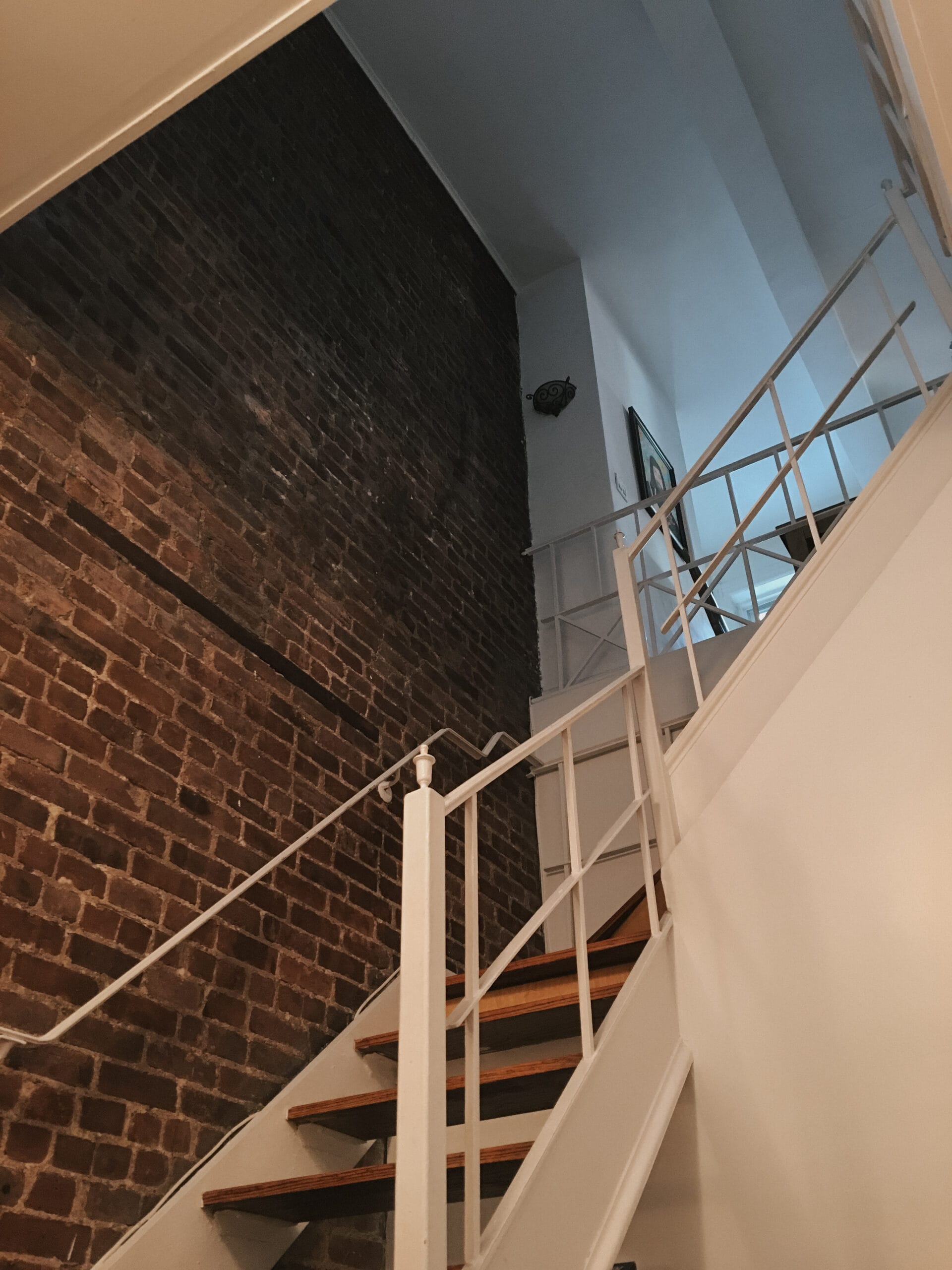
When we lived in Manhattan, we were one of the lucky ones to find a duplex with an entire, exposed brick wall. From the floorboards of the kitchen, all the way up the stairway and to the ceiling of the second floor living room, we were engulfed with pre-war, quintessentially exposed brick walls. And they spoke for themselves. We left them exposed and intentionally unadorned. They were, afterall, a dream come true and a bit of a real estate needle in a metropolitan haystack – and worthy of all our attention and enjoyment. From experience, they helped keep our apartment cooler in the summer and warmer in the winter. The walls were OLD, charming, irregular and straight out of our dreams.
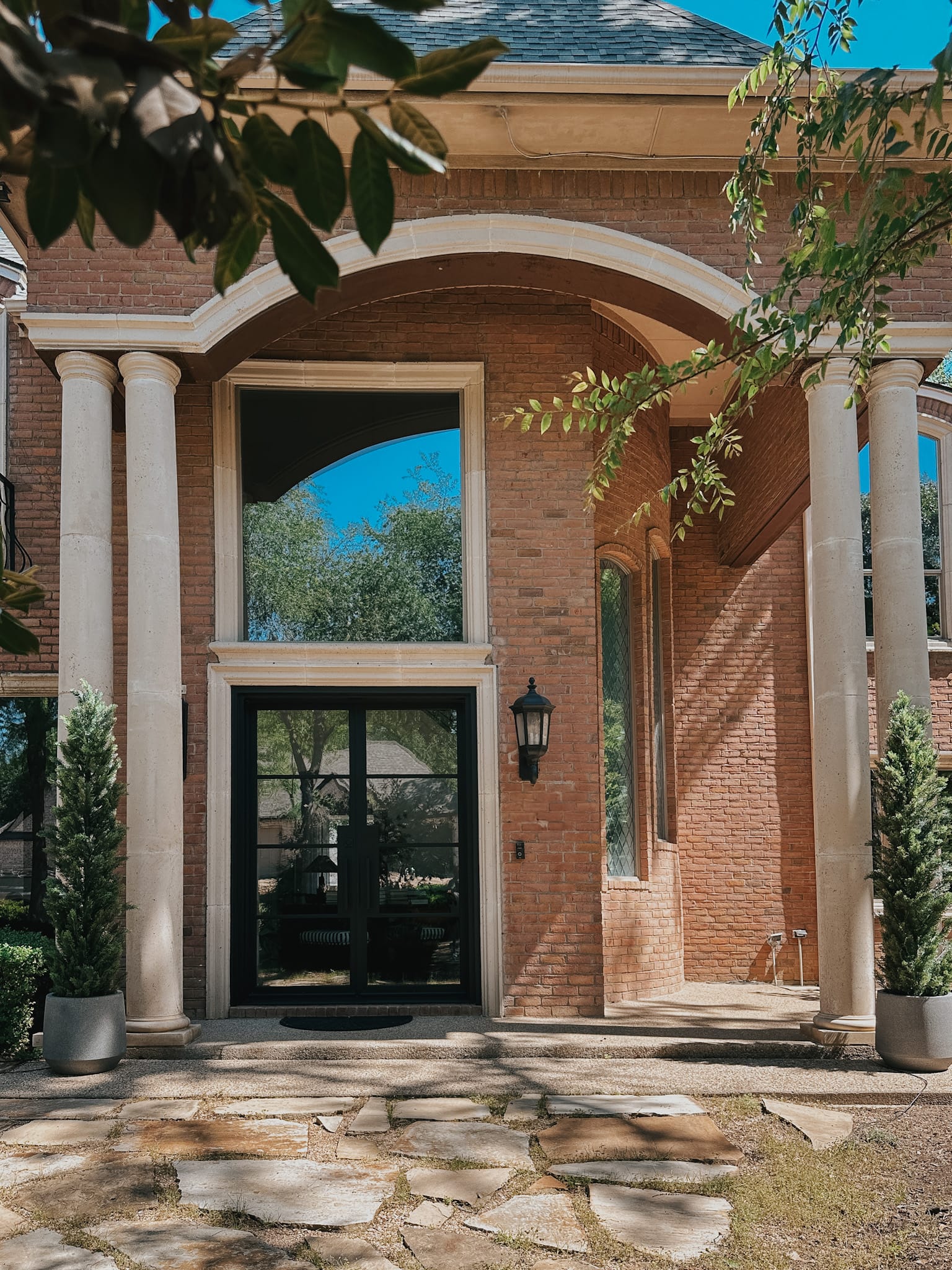
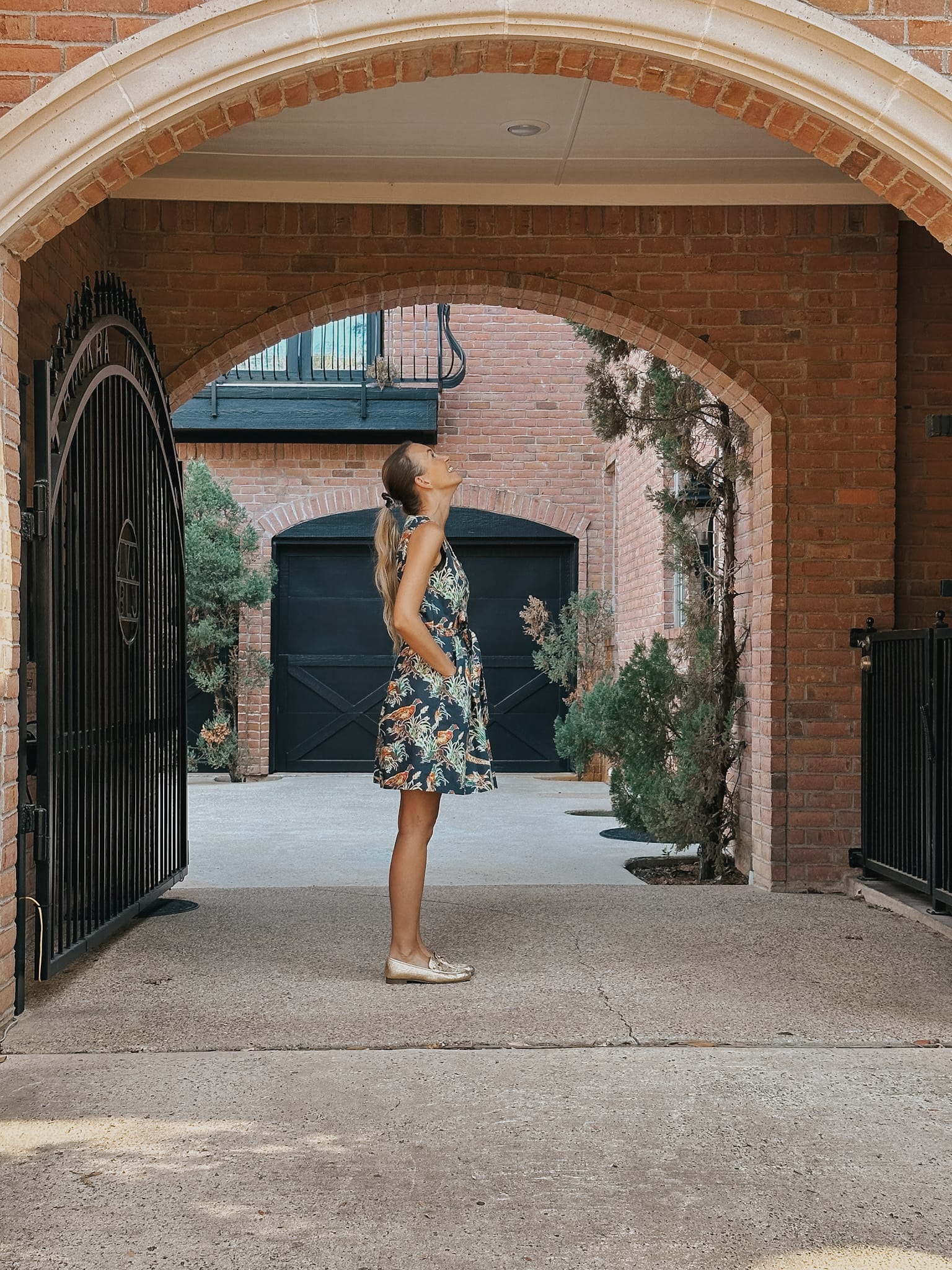
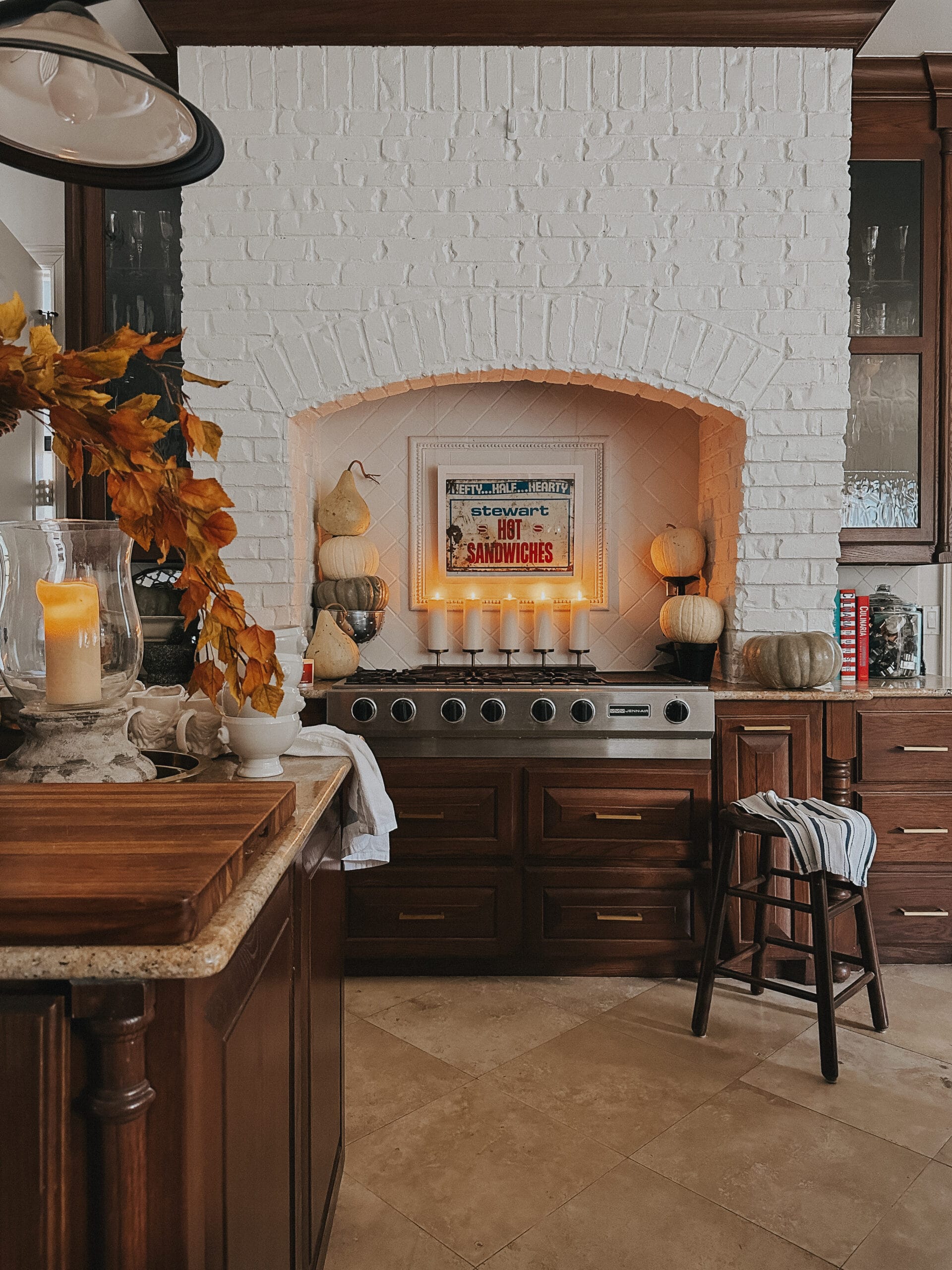
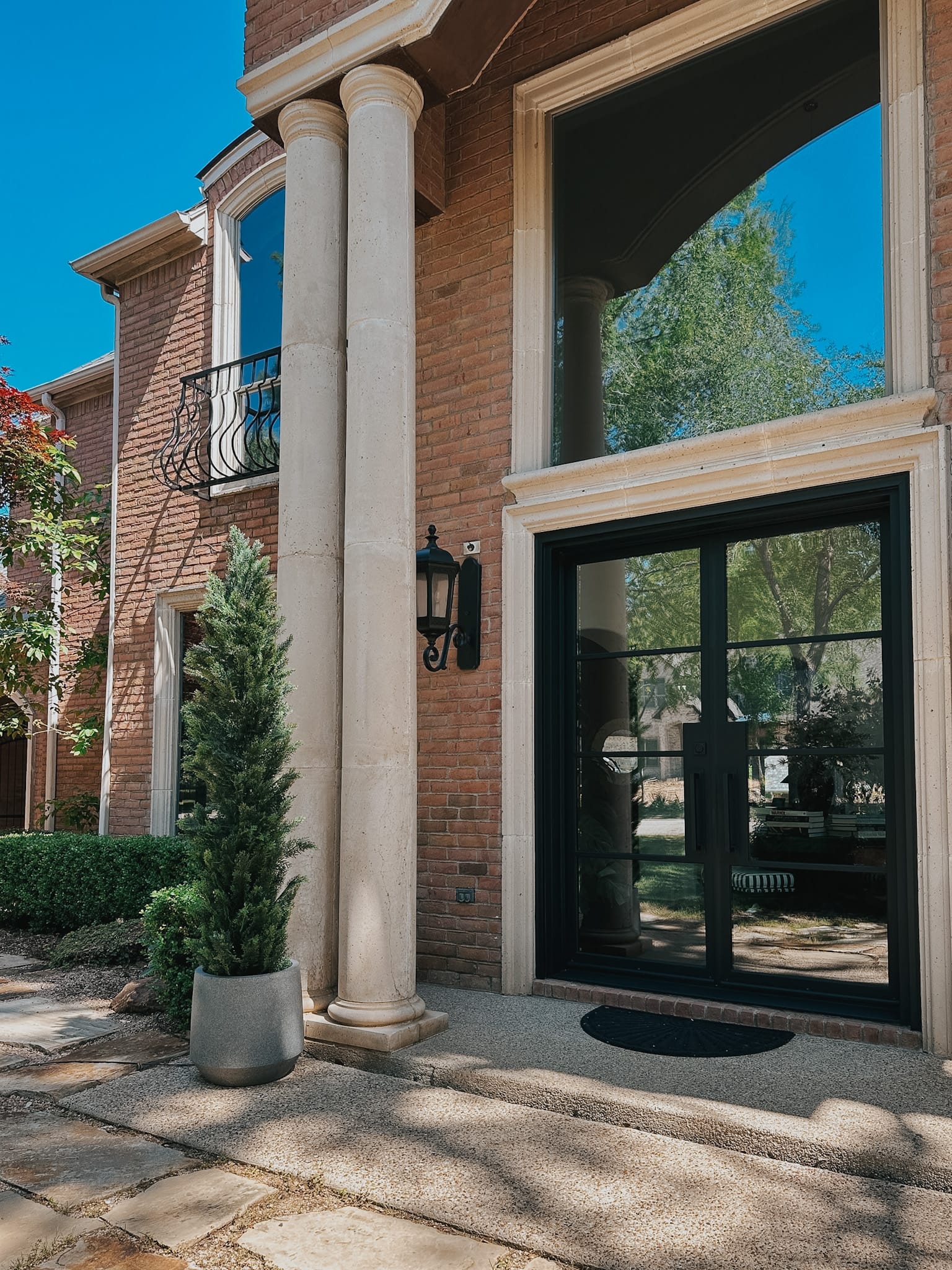
When we spotted our dream home online in 2021 and decided to leave NYC for Texas, we were overjoyed to see that we’d have a lot more of one thing: Brick! The exterior of this home, the porte-cochére and the garages were brick and the whole thing felt like a fairytale. I realized then that regardless of where you live, having brick in your life elevates the home and the space and truly feels exceptional. Our kitchen here in Texas also has brick! Instagram loves the warm and moody space, but I’m pretty sure it’s the vast white brick range hood that steals hearts the most.
Incorporating Brick in New Builds, Renovating or Projects
How can we incorporate brick into our new homes, home renovation or DIY projects around the house? If you’re starting from scratch and designing a new build, the obvious decision is to invest in your family and future generations by selecting brick for its energy efficiency, low maintenance, and durability. Ideally your home will be your safe-haven for as long as you choose to live in it, but if it can last hundreds of years and be that loyal and steadfast protector to future generations, this is a win. If you’re looking to renovate with brick, consider a brick range hood in your kitchen, or updating a tile or ceramic fireplace surround and hearth with brick. Backsplashes, accent walls, half walls, patios, sidewalks, mailbox columns, and flower pot columns flanking a front porch are all ways we can incorporate the natural beauty and aesthetic of brick.
There is something special and metaphorical about homes being built to stand the test of time. To usher in one generation and protect it as it grows and gives life into the next generation. And how brick achieves this brick by brick, layer by layer. A repetitive process that is purposeful and ritualistic in nature but harmonious at the conclusion when the final brick is laid and four walls become a home. An art form at its core and a masterpiece in the end.
Brick brings forth a comforting nostalgia of warmth, familiarity, and strength. With its beauty and numerous benefits, it’s no wonder that even as indestructible and hard as brick physically is, it somehow manages to be the soft landing we call home.
Please visit The Brick Industry Association website and learn more here!